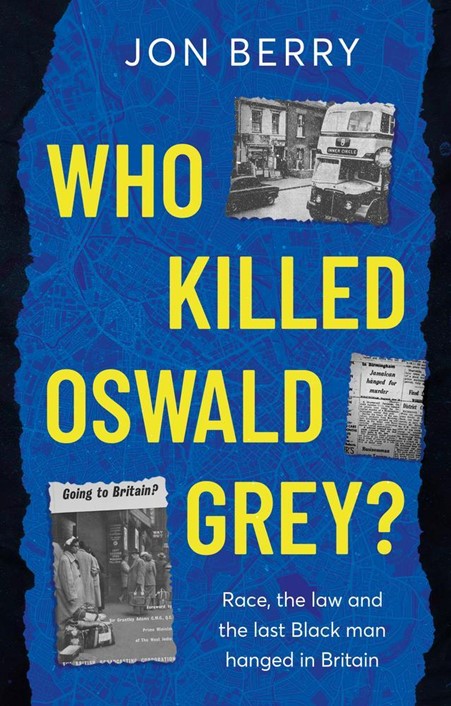
Click anywhere on the image above to hear the first episode of the Oswald Grey podcast
COMING IN 2027
Exalted House. History, my family and wandering Jews.
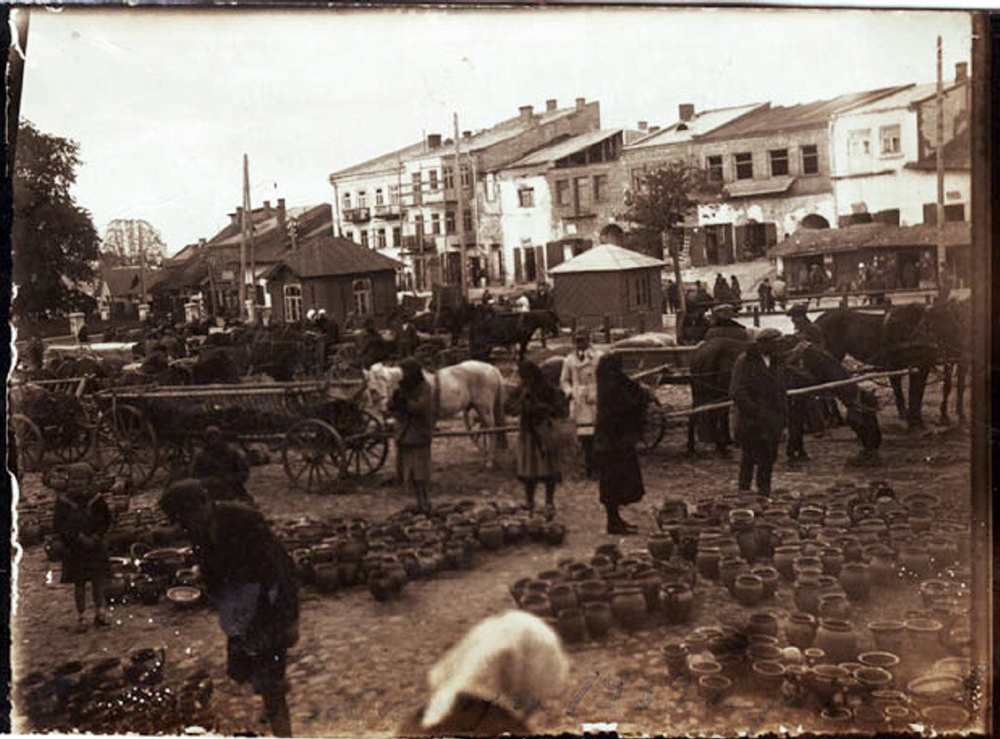
In 1908, Hannah Teofil, 22 years old with two infants in tow, left the small town of Szczebrzeszyn in modern day Poland. Antisemitic pogroms were rife; life had become beset with fear and anxiety.
Hannah was to join her husband, Gershon, who had set already been to scope out the small house they were to share with another family in Handsworth, Birmingham.
Twenty years later, Jakob Beispiel and his family decided that life for Jews in Vienna was becoming too dangerous. Days before the Nazis annexed the city, he managed to escape. A year later, he arrived in Birmingham.
Hannah was my grandmother, Jakob my father.
This is the story of how two sets of immigrants came together and of how history and history-makers made their mark on them – and those who came after them.
Who Killed Oswald Grey? was released in September 2025.
You can listen to a six part radio documentary to accompany the book, hosted by Genesis Radio Birmingham
***
In November 1962, 20-year-old Oswald Augustus Grey, an immigrant from Jamaica who had been in the UK for less than two years, became the last man to be hanged in Birmingham’s Winson Green prison.
He was the last Black man hanged in the UK.
There were only five further executions in the UK before capital punishment ended in 1965.
Grey was found guilty of shooting newsagent Thomas Bates in his shop in Lee Bank Road in June that year. In a bungled robbery, a single shot from a stolen pistol killed the shopkeeper who died instantly.
His trial lasted fewer than five working days and his subsequent appeal less than an hour. There were 24 weeks between the crime and the execution.
Labelled a backward child, he had spent months in a reform school in Kingston before his father brought him to the ‘mother country’ to ‘straighten him out.’
That plan failed. Within months he was back in bad company and embarked on the life of petty crime that led him to the gallows.
The law failed Oswald Grey. He was treated as disposable and was the victim of careless advocacy and the unchallenged racism of his times. His story has been largely forgotten: this book puts that right.